The Atlanta Travel Associates
"Some pursue happiness, We Love to create it!"
770-656-8668
"Some pursue happiness, We Love to create it!"
770-656-8668

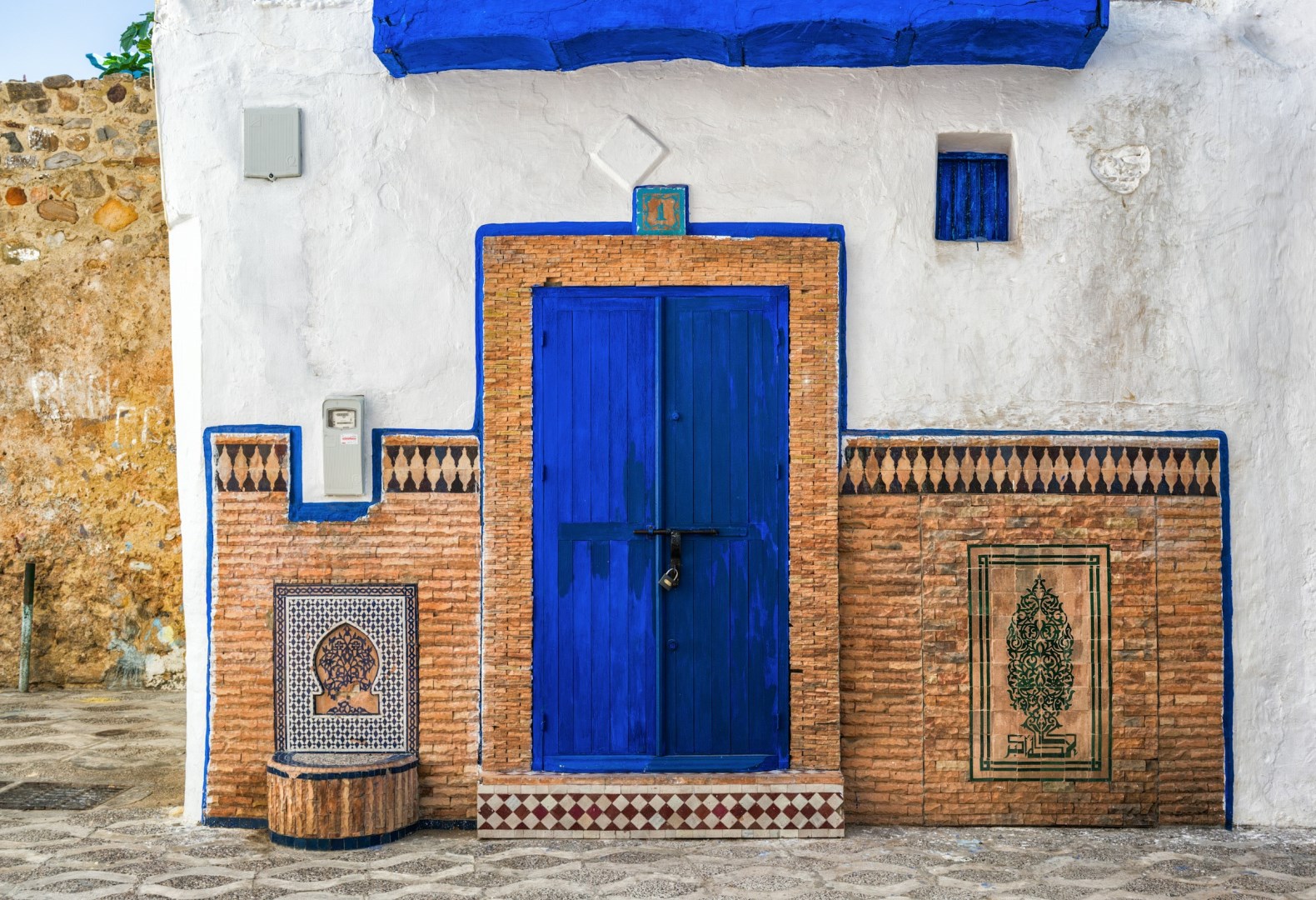
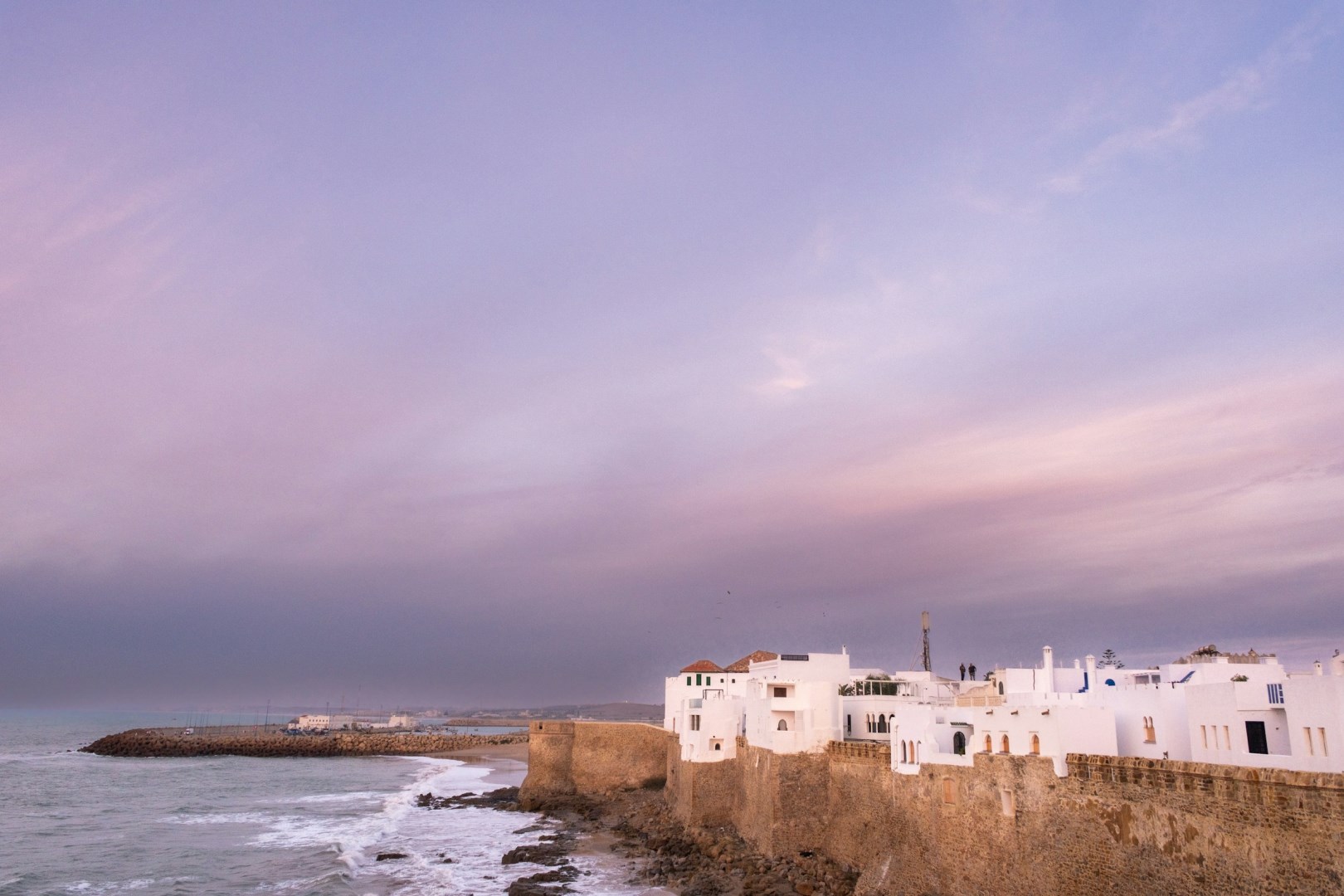
Asilah is a small coastal town on Morocco’s Atlantic shore, south of Tangier, known for its whitewashed buildings, fortified medina, and position beside the sea. Its historic walls run along the coastline, with sections overlooking rocky cliffs and the Atlantic. The town has a quieter character than larger northern Moroccan cities, while its narrow streets, painted façades, and waterfront setting give it a distinctive appearance. Asilah also has a broad sandy beach outside the old town, and its location makes it a useful stop between Tangier and the coastal communities farther south.
Asilah’s identity reflects Arab-Andalusian traditions alongside strong Portuguese and Hispano-Moorish influences. The historic medina is enclosed by old ramparts with gateways, towers, and bastions that recall the town’s long maritime history. Traditional crafts, local markets, music, and community gatherings remain part of everyday life. Asilah is also associated with the International Cultural Festival of Asilah, which brings artists, writers, musicians, and other cultural figures to the town. Public art has become another recognizable feature, with murals and painted walls adding contemporary expression to the historic setting.
The medina and its sea-facing ramparts are the principal attractions in Asilah. Walking along the walls provides views over the Atlantic and the rocky shoreline, while the narrow streets inside the old town contain whitewashed houses, small galleries, craft shops, and cafés. Outside the fortified centre, Asilah’s long beach offers space for swimming, walking, and horseback riding. The coastline is especially appealing for its combination of sandy stretches and exposed rock. The town also provides access to nearby coastal landscapes and the archaeological area around Lixus, near Larache, farther south.
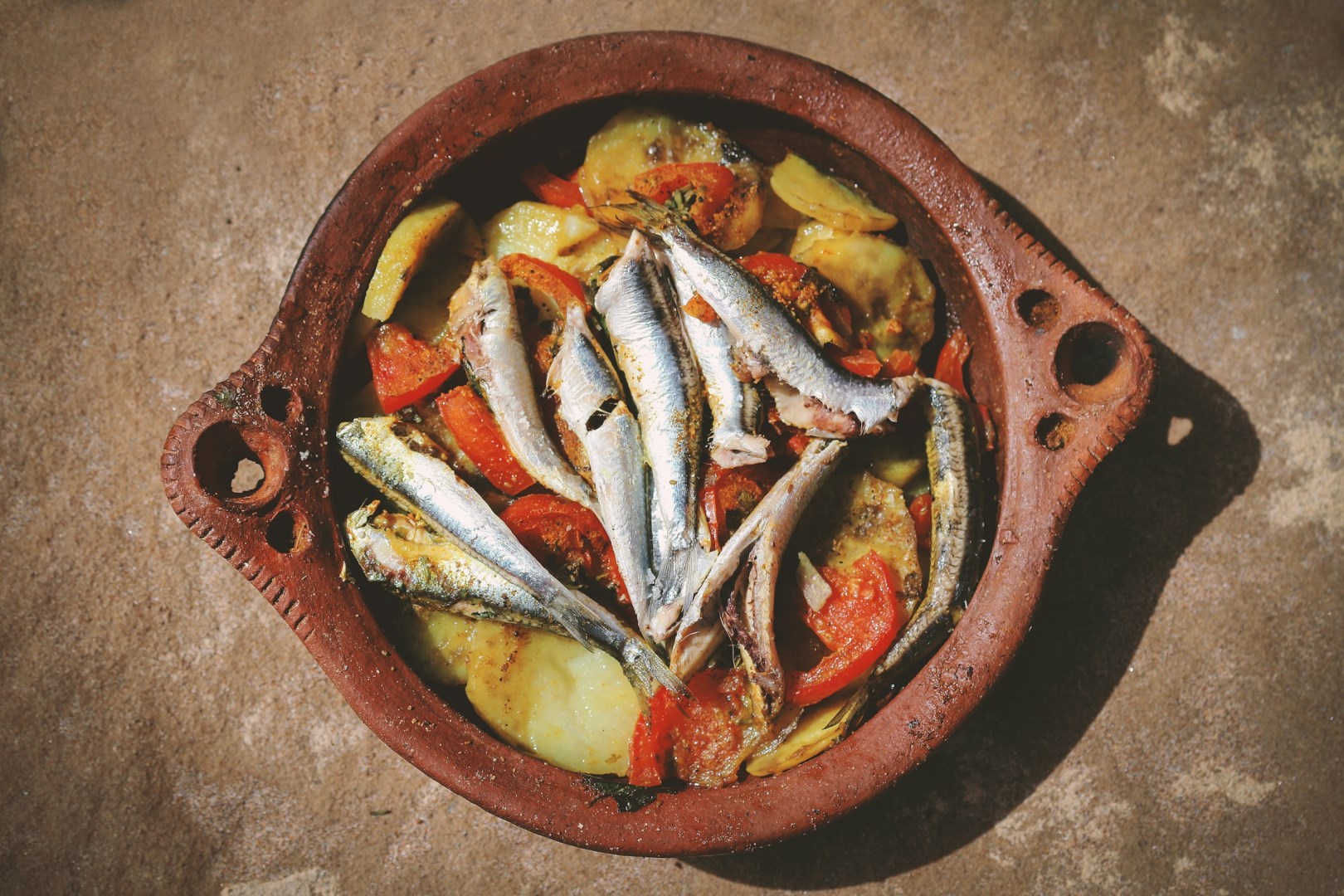
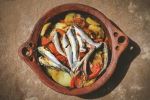
Asilah’s coastal location gives seafood an important place in local cuisine, with fresh fish, grilled seafood, sardines, and shellfish commonly found in restaurants and market stalls. Moroccan staples such as tagine, couscous, harira, and mint tea are also widely available. The town’s artistic character is reflected in its galleries and the painted murals that appear throughout the medina, with some walls receiving new artwork during cultural events. Another distinctive feature is the way the historic fortifications meet the Atlantic directly, allowing visitors to move from narrow medina streets to open sea views within a short walk.