The Atlanta Travel Associates
"Some pursue happiness, We Love to create it!"
770-656-8668
"Some pursue happiness, We Love to create it!"
770-656-8668

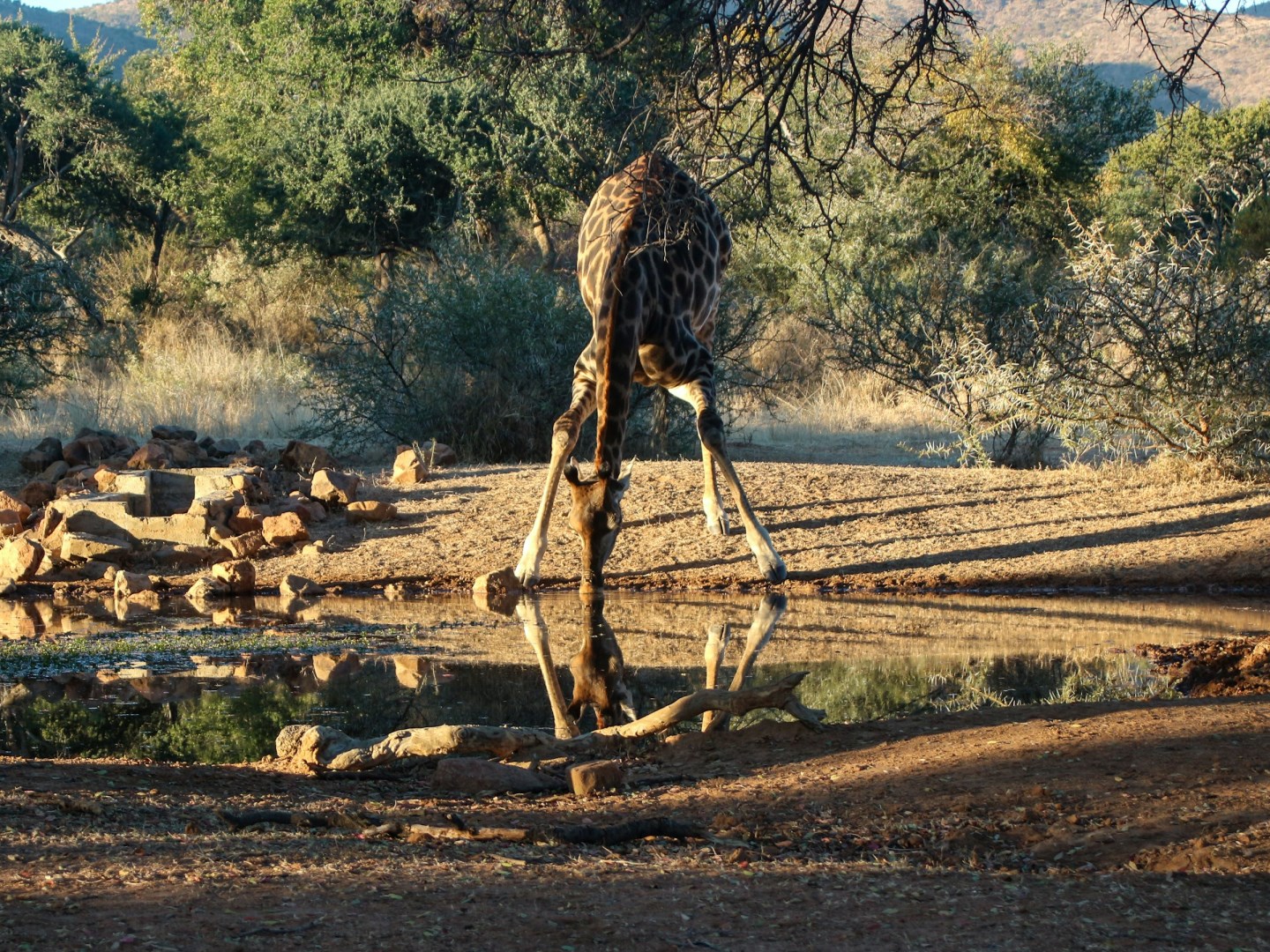
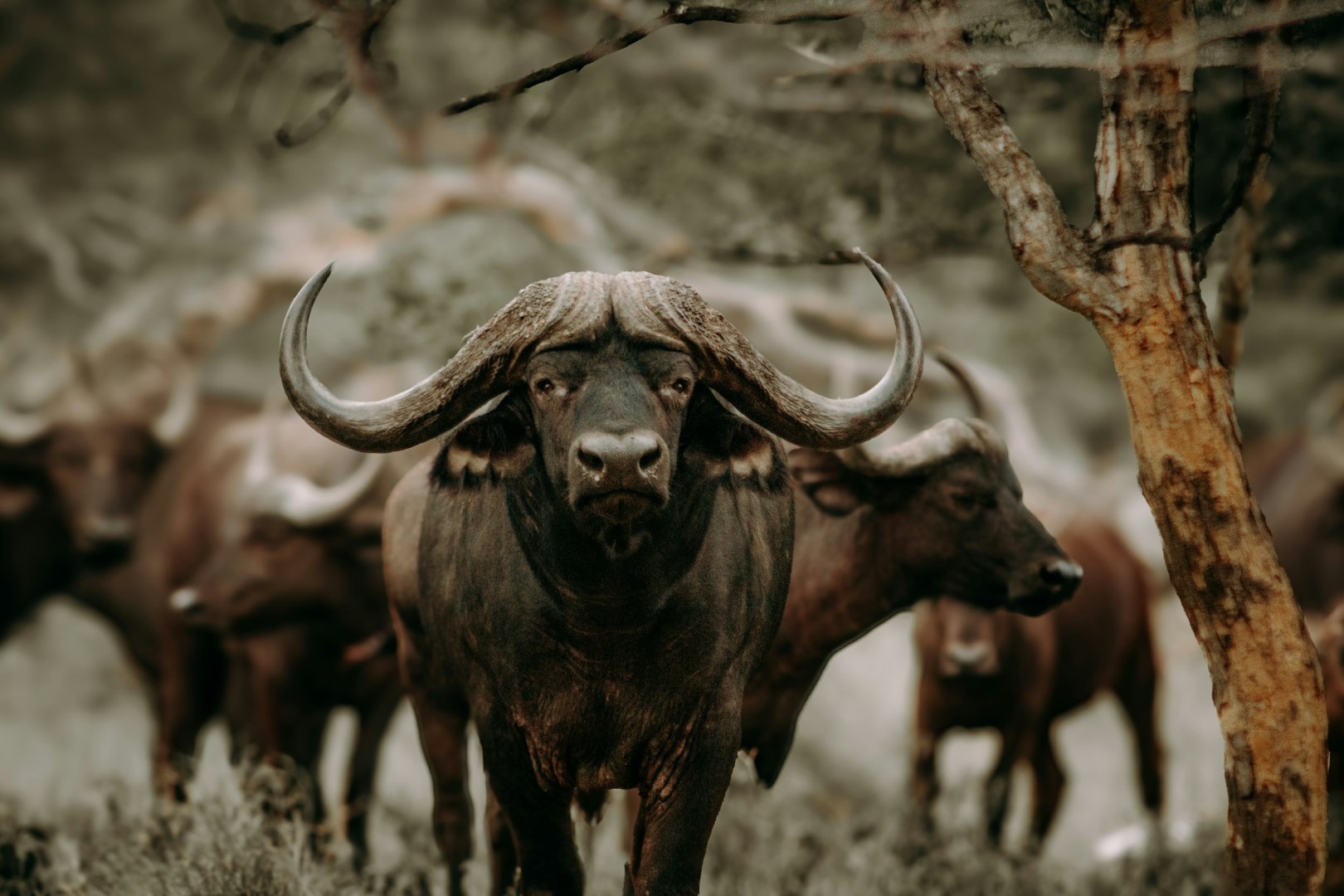
Limpopo is South Africa’s northernmost province, sharing international borders with Botswana, Zimbabwe, and Mozambique. Its landscape ranges from the bushveld and baobab-studded plains of the north to the Soutpansberg Mountains, escarpment forests, and fertile valleys of the south. The province is strongly associated with wildlife, with large protected areas forming part of the Greater Kruger ecosystem. Polokwane is the provincial capital and a major regional centre, while towns such as Hoedspruit, Tzaneen, and Louis Trichardt provide access to different parts of Limpopo’s varied agricultural and natural landscapes.
Limpopo has deep connections with several cultural groups, including the Venda, Tsonga, Northern Sotho, and other communities. Venda traditions are particularly visible around the Soutpansberg, where traditional arts, crafts, music, and sacred landscapes remain important parts of local identity. The province also contains archaeological sites that document early human settlement and ancient societies, including Mapungubwe Cultural Landscape, a UNESCO World Heritage Site. Mapungubwe preserves stone structures, burial sites, and archaeological evidence of a sophisticated trading society, while local cultural centres and craft markets provide further insight into the province’s living traditions.
Wildlife areas are among Limpopo’s most prominent attractions. Kruger National Park extends into the province, while Marakele National Park protects Waterberg landscapes of mountains, grasslands, and bushveld. Mapungubwe National Park combines sandstone formations, baobabs, river valleys, and archaeological sites near the Limpopo and Shashe rivers. The Soutpansberg provides forests, cliffs, and important bird habitats, while the northern plains contain large areas of mopane woodland. Elephants, lions, leopards, rhinos, buffalo, giraffes, and numerous antelope species occur in protected areas across the province.
Limpopo’s food reflects its agricultural resources and the traditions of its different communities. Maize is an important staple, while dishes made with leafy vegetables, beans, groundnuts, and locally raised meat feature in regional cooking. The province is also a major producer of subtropical fruit, including avocados, mangoes, citrus, and bananas, particularly around Tzaneen and the Letaba Valley. Venda cuisine includes dishes prepared with maize meal and traditional vegetables, while Tsonga food often features fish, chicken, and vegetable stews. A distinctive natural feature of Limpopo is its concentration of baobab trees, including some of the largest and oldest individual trees found in southern Africa.